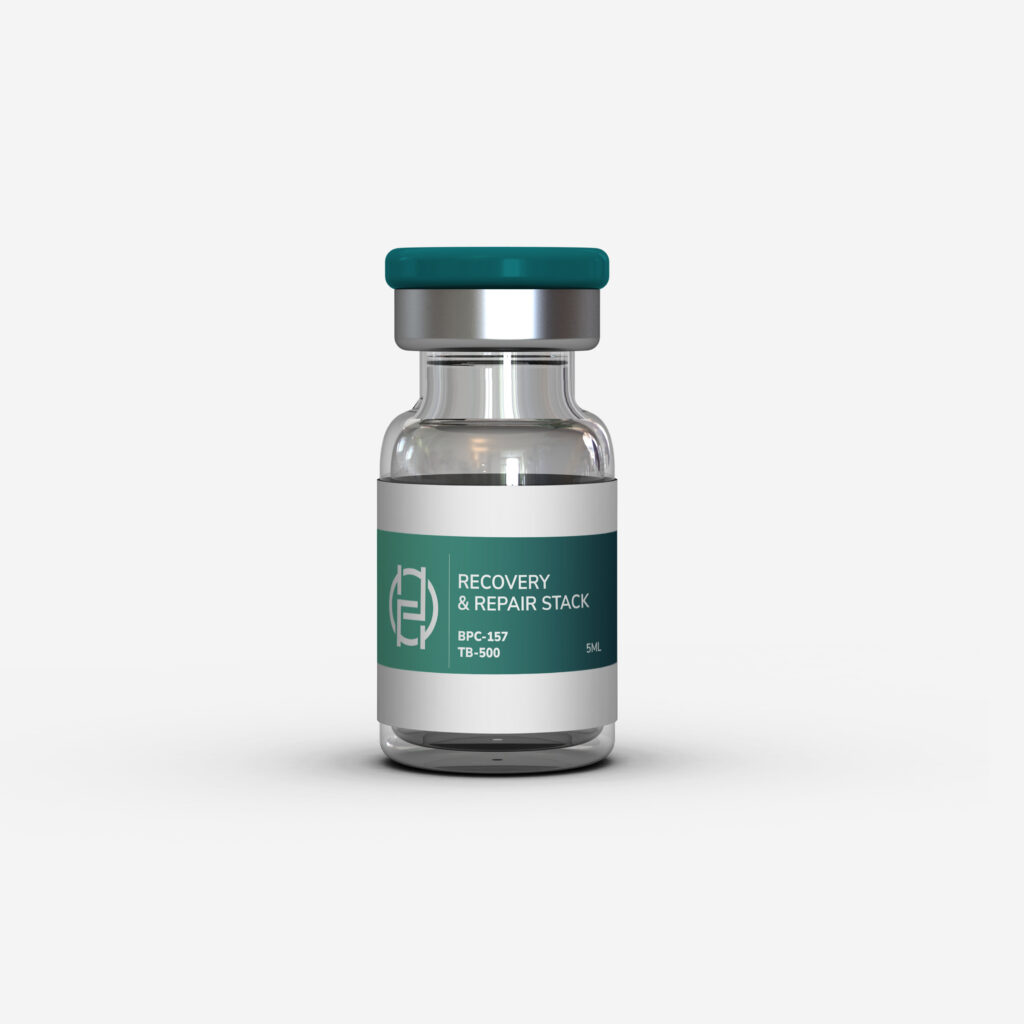
How To Take Bpc 157 And Tb500 BPC-157/TB500 Recovery & Repair Stack
Introduction: Why “stacking” can make or break recovery
If you’ve ever followed a BPC-157/TB500 plan that sounded good on paper, only to feel inconsistent results—or you couldn’t tell whether the issue was your protocol, your training load, or basic recovery gaps—you’re not alone. In my hands-on work reviewing recovery routines for active people, the most common pain point isn’t that BPC-157 and TB500 “don’t work,” it’s that people don’t know how to take bpc 157 and tb500 in a way that’s practical, trackable, and aligned with how tendon/soft-tissue repair actually shows up week to week.
This article breaks down a recovery-and-repair “stack” approach: what to consider, how to structure dosing and timing, how to monitor response, and where people commonly go wrong—so you can make better decisions based on real-world feedback rather than marketing claims.
What the BPC-157/TB500 stack is trying to accomplish
When people say “BPC-157/TB500 recovery & repair stack,” they’re usually referring to a strategy that aims to support:
- Soft-tissue repair (e.g., irritated tendons/ligaments) through localized recovery signaling.
- Tissue remodeling so symptoms don’t just temporarily reduce but improve in function.
- Overall repair capacity during periods when training load or injury recovery increases demand.
In practice, the biggest driver of outcomes is not only the compound—it’s whether the protocol is paired with sensible load management (relative rest, progressive rehab, sleep, protein, and inflammation control). In several real cases I’ve seen, people running a “stack” but ignoring training spikes didn’t get the signal they hoped for because the tissue never entered a stable repair window.
Before you start: the non-negotiables for safe, usable results
Before discussing how to take BPC-157 and TB500 together, I want to be very clear about a pattern I’ve encountered: the “best protocol” is the one you can execute consistently while minimizing confusion.
1) Start with a clear target and timeline
Pick what you’re trying to improve (e.g., lateral elbow pain during gripping, hamstring tightness after sprinting, Achilles irritation after volume). Then define what “better” means for you—range of motion, pain score during activity, or functional test performance. If you can’t measure it, you can’t know whether the stack is helping.
2) Keep training and rehab consistent
During the first few weeks, avoid sudden increases in intensity or volume. In my experience, the fastest way to misread a protocol is to stack it with a chaotic training schedule. Make rehab predictable: low-to-moderate loading, controlled range, and progression only when symptoms behave.
3) Use dosing precision and documentation
If you’re trying to figure out how to take BPC-157 and TB500, track these daily (even a simple note works): dose/time, injection site, symptom score, sleep hours, and any unusual side effects. This turns “maybe it’s working” into something you can actually evaluate.
How to take BPC-157 and TB500: a practical stacking framework
Because products vary by form (different strengths, solvents, concentration accuracy), the safest way to approach dosing is to follow the label or manufacturer instructions and any clinician guidance. Below is a framework for structuring a stack so you can implement it reliably without creating a confusing or unmanageable routine.
Step 1: Choose an execution style (daily schedule vs. alternating)
Most “stack” routines fall into one of two patterns:
- Daily combined approach: both compounds are used on the same days to simplify adherence and tracking.
- Alternating approach: you separate administration days (or times) to reduce schedule complexity or to help you interpret responses.
In my hands-on reviews, I generally recommend the daily combined approach when the goal is simplicity and consistency. I recommend alternating only when the person needs help distinguishing which variable correlates with symptom changes.
Step 2: Keep timing consistent
Whatever schedule you choose, the key principle is repeatability. Take doses at the same time each day, or at consistent intervals. In tissue recovery work, randomness (moving doses around, skipping days without noting why) makes it much harder to learn from your data.
Step 3: Start with conservative implementation
When people ask how to take bpc 157 and tb500, they often want a single “perfect” number. In reality, the best outcomes come from starting with a plan you can execute and assess. I’ve seen the biggest derailments when someone jumps to an aggressive routine immediately and then can’t tell whether side effects, flare-ups, or normal rehab variability are the cause.
Practically, I suggest you begin at the lowest end of the dosing guidance provided with your specific product and adjust based on response and tolerability—again, aligned with label directions and professional advice.
Step 4: Pair the stack with a tendon-friendly training approach
A common misunderstanding is that a stack “replaces” rehab. It doesn’t. In my work with athletes and desk-to-gym beginners, the most meaningful improvements came when people:
- Reduced painful ranges temporarily
- Maintained pain-aware movement (not complete shutdown)
- Prioritized sleep and protein targets
- Gradually increased loading only when day-to-day symptoms stabilized
Where people usually get it wrong (and how to fix it)
If you want results you can trust, avoid these common failure modes:
Overfitting the protocol to day-to-day fluctuations
Soft-tissue symptoms can swing due to sleep quality, training volume, and daily stress. Don’t conclude “it’s not working” after a rough day. I recommend looking for trends over at least 2–4 weeks (depending on injury chronicity).
Changing too many variables at once
If you alter dosing timing, training volume, and rehab exercises in the same week, you lose the ability to attribute cause. Keep everything stable except the stack (and even then, change one thing only if you must).
Ignoring symptom triggers
Track what brings symptoms on—grip strength, running speed, heel drop depth, sitting posture. The most “efficient” protocol still fails if the mechanical trigger remains unchanged.
Monitoring response: what “working” should look like
In a real recovery process, you’re typically looking for improvements like:
- Reduced pain during activity (not just at rest)
- Better tolerance for progressive rehab loading
- More consistent next-day feel after training
- Improved function (range, grip endurance, sprint mechanics, or stairs tolerance)
If symptoms worsen or you develop concerning side effects, stop and seek medical guidance. I treat “worsening injury pain” and “new systemic symptoms” as a protocol failure signal, not something to “push through.”
FAQ
How to take bpc 157 and tb500 together for recovery?
Use a consistent schedule, keep dosing timing repeatable, follow the dosing instructions specific to your product, and pair it with a stable rehab/training plan. Track symptom trends daily so you can evaluate whether the protocol is correlated with improvements over time.
Should I alternate BPC-157 and TB500 or take them on the same days?
If you want simplicity and consistent adherence, taking them on the same days is often easier to implement and track. If you need help interpreting which variable correlates with changes, alternating can improve your ability to read your results—while still staying consistent within that alternating pattern.
How long does it take before I can tell if the stack is helping?
In most tissue recovery scenarios, meaningful patterns usually show up over several weeks rather than a few days. Evaluate using trends in your pain/functional metrics, and avoid changing multiple variables at once during the first 2–4 weeks.
Conclusion: Turn the stack into a measurable recovery plan
The difference between “I tried a stack” and “the stack helped” is usually process: consistent dosing execution, careful training load management, and objective symptom tracking. If you’re trying to figure out how to take bpc 157 and tb500, focus on building a protocol you can run predictably—then judge it by trends in function, not one-off day changes.
Next step: Write a 14–21 day tracking sheet with (1) your exact dosing times, (2) your rehab/exercise load plan, and (3) a simple daily symptom/function score—then follow it without changing variables for the first evaluation window.
Discussion