Is Bpc 157 Illegal In Us Is BPC-157 Banned? Oral vs. Injectable Forms Explained
Is BPC-157 banned? Oral vs. Injectable forms explained (and what “illegal” really means in the US)
If you’ve been looking into BPC-157 and wondering “is bpc 157 illegal in us”, you’re not alone. In my hands-on work reviewing supplement and research-chemical claims for clients, the biggest confusion isn’t the science—it’s the regulatory reality: different products (oral vs. injectable) can land in very different legal and enforcement lanes depending on how they’re marketed, compounded, and distributed.
This guide explains what the term “banned” usually means in practice, how oral and injectable BPC-157 products differ operationally, what to watch for, and how to make a safer, more informed decision without relying on forum rumors.
What “banned” means (in the US it’s usually about drug status and marketing)
When people say “BPC-157 is banned,” they often mash together a few separate issues:
- FDA drug approval status: If a substance is not approved for a particular use and is marketed with therapeutic claims, it can fall into regulatory trouble.
- Misbranding/marketing claims: Products presented as remedies for injuries, healing, or pain may trigger enforcement even if the underlying ingredient is sold in other contexts.
- Import and distribution controls: If a product is sourced or shipped in a way that violates laws (common with gray-market peptides), there can be seizure or other penalties.
- Compounding and route-of-administration rules: Injectable products often raise stricter questions around sterile preparation, prescribing, and whether the product is being sold as a legitimate medical therapy.
In other words, the question “is bpc 157 illegal in us” isn’t always a simple yes/no at the molecular level—it’s frequently about how the product is sold and used.
Oral BPC-157 vs. injectable BPC-157: why the legal risk profile can differ
In my experience, people focus on the peptide itself and ignore the route. But from a compliance standpoint, route matters because it changes how products are manufactured, marketed, and distributed.
Oral forms: often sold as supplements or “research support” products
Oral BPC-157 products are commonly marketed as drops, capsules, or “supplement” formats. The legal risk typically increases when sellers make specific health claims (for example, “heals the gut lining,” “repairs tendons,” “treats pain,” etc.).
Even if an oral product is presented as non-prescription, marketing language and intended use can drive regulatory scrutiny. Oral products can also vary widely in quality—dosage accuracy and purity are frequent pain points I’ve seen in third-party testing discussions.
Injectable forms: higher scrutiny due to sterility, dosing, and clinical claims
Injectable BPC-157 products usually come with a “bigger” practical risk profile. That’s not only about legality; it’s also about the operational reality:
- Sterility and handling: Injectable peptides require sterile technique and proper storage. Contamination risk is a real-world concern.
- Prescribing and administration context: Injectables are more tightly connected to medical use frameworks.
- Clearer therapeutic positioning: Injectable products are often marketed for specific injury or recovery outcomes, which can increase misbranding risk.
So, while you may see the same ingredient named in oral and injectable products, the way the product is positioned—supplement vs. drug-like therapy—can change enforcement likelihood.
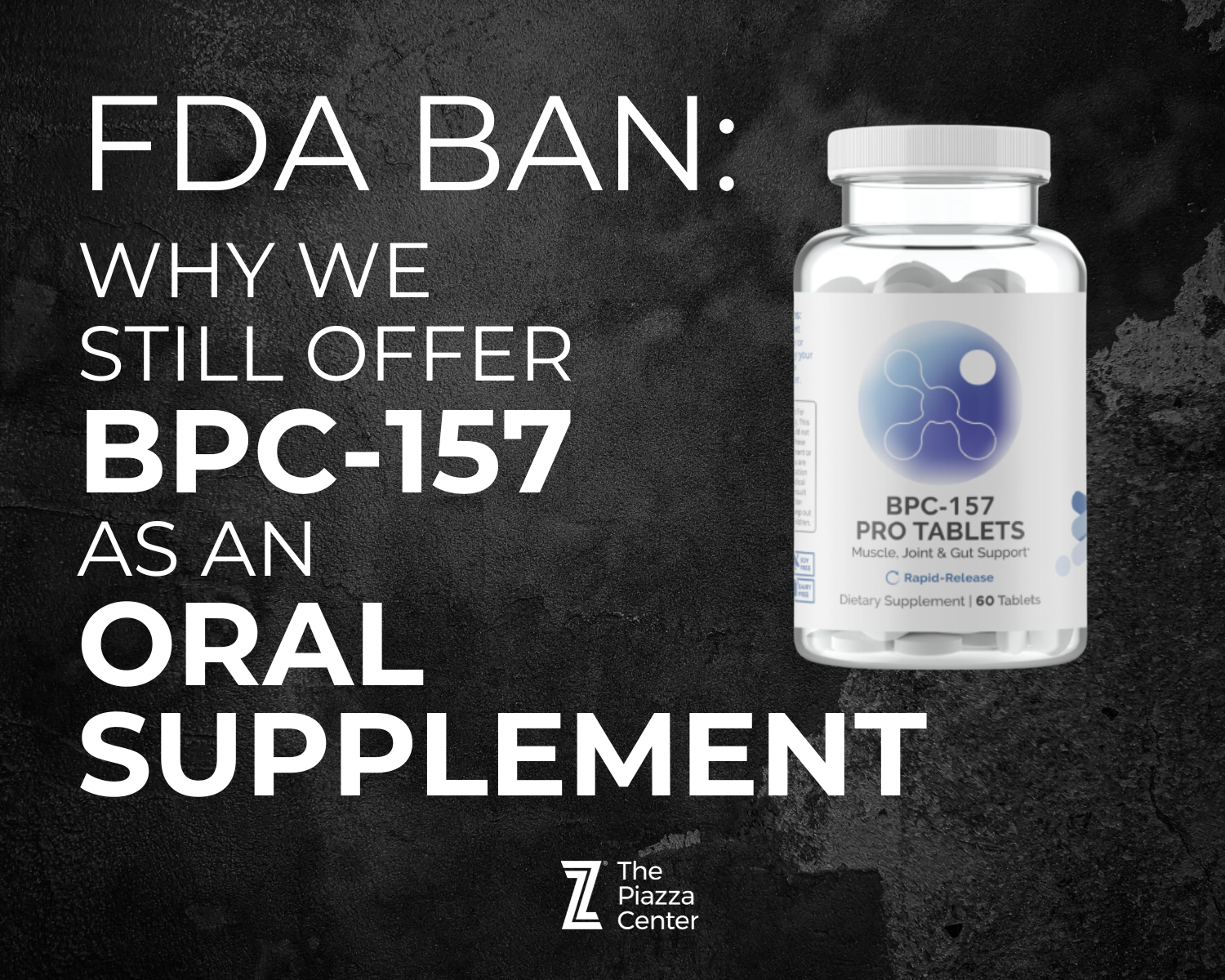
How to think about “is it illegal?” without getting misled by marketing
From a compliance perspective, I recommend evaluating three practical questions rather than trusting a single headline:
1) How is the seller marketing it?
- Low-risk language: “For research use” with no disease or treatment claims (still not a guarantee of legality, but claims matter).
- High-risk language: Healing, repair, treatment, pain relief, or addressing medical conditions.
2) What exactly are you purchasing?
Two products with the same name can be fundamentally different:
- Supplement-style oral formats (capsules/drops) with “non-drug” positioning
- Injectable vials that imply medical therapy, sterile preparation expectations, and often stronger therapeutic claims
3) Where is it coming from and how is it shipped?
In my hands-on work, the “origin + shipping route” piece is where gray-market products often get messy. If the supply chain is unclear, you can face:
- Quality variance (not just legal risk)
- Seizure at the border
- Documentation issues if asked to explain intended use
This is why many people who ask “is bpc 157 illegal in us” end up with a better answer by focusing on product presentation and distribution rather than the name alone.
Practical risk checklist for buyers (especially for oral vs. injectable)
If you’re trying to make a responsible decision, use this checklist. It won’t “legalize” anything, but it will help you avoid the most common traps I’ve seen.
Oral product checklist
- Claims: Avoid products that promise treatment, healing, or outcomes.
- Transparency: Look for clear labeling of dosage and ingredients—no vague “proprietary formula” shortcuts.
- Testing: Prefer independent third-party testing and batch identifiers.
- Real expectations: If the product is marketed as a guaranteed fix for injuries, treat it as a red flag.
Injectable product checklist
- Sterility and handling: If sterility assurance and storage details are unclear, avoid.
- Compounding context: Injection products should be handled under appropriate medical frameworks; vague instructions are a risk multiplier.
- Therapeutic claims: Strong claims paired with injectable formats are often the highest compliance risk.
- Administration instructions: If the seller discourages clinician involvement while pushing injection use, that’s a serious concern.
What I’ve learned from real-world cases: the pattern behind most “BPC-157 legality” confusion
In multiple consulting conversations (spanning supplement stacks, “peptide protocols,” and athlete recovery groups), the pattern repeats:
- People treat the ingredient like it’s automatically “legal” because it’s discussed online. In practice, legality hinges on marketing and intended use.
- Forum posts blur oral and injectable products. They often aren’t sold or positioned the same way.
- “Other countries allow it” doesn’t translate cleanly to US enforcement. Regulatory frameworks differ, and the US tends to focus heavily on claims and drug-like marketing.
This is why the most reliable takeaway for is bpc 157 illegal in us questions is: don’t anchor on the molecule name—anchor on the product’s claims, distribution, and route.
FAQ
Is BPC-157 illegal in the US?
“Illegal” depends on how the product is marketed, distributed, and used. The US regulatory focus is often on drug status, misbranding, and therapeutic claims—especially when products are sold as treatments or as drug-like injectables.
Does the legality differ for oral vs. injectable BPC-157?
It can. Oral products are commonly positioned as supplements, while injectables are more often marketed in ways that resemble medical therapy. In practice, claims and product presentation usually drive risk more than the ingredient name alone.
How can I reduce risk if I’m considering a BPC-157 product?
Prefer products with transparent labeling, clear non-therapeutic positioning, and credible third-party testing. Be especially cautious with injectables where sterility and medical handling expectations are critical, and avoid sellers making strong treatment claims.
Conclusion: make the “legal” question practical
If you’re trying to determine is bpc 157 illegal in us, treat “banned” as shorthand for a regulatory posture that often depends on marketing claims, distribution, and whether the product is being positioned as a therapy—particularly in injectable formats. Oral vs. injectable differences can change the risk profile, but the seller’s claims and product presentation are usually the decisive factors.
Next step: Before buying any oral or injectable BPC-157 product, write down the seller’s exact claims and review whether they describe treatment or healing outcomes; if they do, walk away and choose not to proceed.
Discussion