Bpc 157 10 Mg Dosage BPC-157 (10mg Vial) Dosage Protocol
Introduction: Why “bpc 157 10 mg dosage” questions come up so often
If you’ve ever looked into BPC-157, you’ve probably noticed the same frustration: the internet is full of conflicting “dosage protocols,” and small differences in vial strength, injection method, or frequency can dramatically change how a plan is carried out. In my hands-on work reviewing athlete and clinic logs, the biggest problem wasn’t lack of information—it was people mixing up vial strength with the actual delivered dose, then trying to “fix it” after the fact.
In this guide, I’ll lay out a practical way to think about a bpc 157 10 mg dosage plan: how to translate vial concentration into milligrams per administration, how to structure frequency in a way that’s consistent with real-world expectations, and what guardrails I use when designing or auditing protocols. (I’m not a substitute for medical care; use this as an educational framework for informed discussion with a qualified clinician.)
What “10 mg vial” actually means (and where dosage mistakes usually happen)
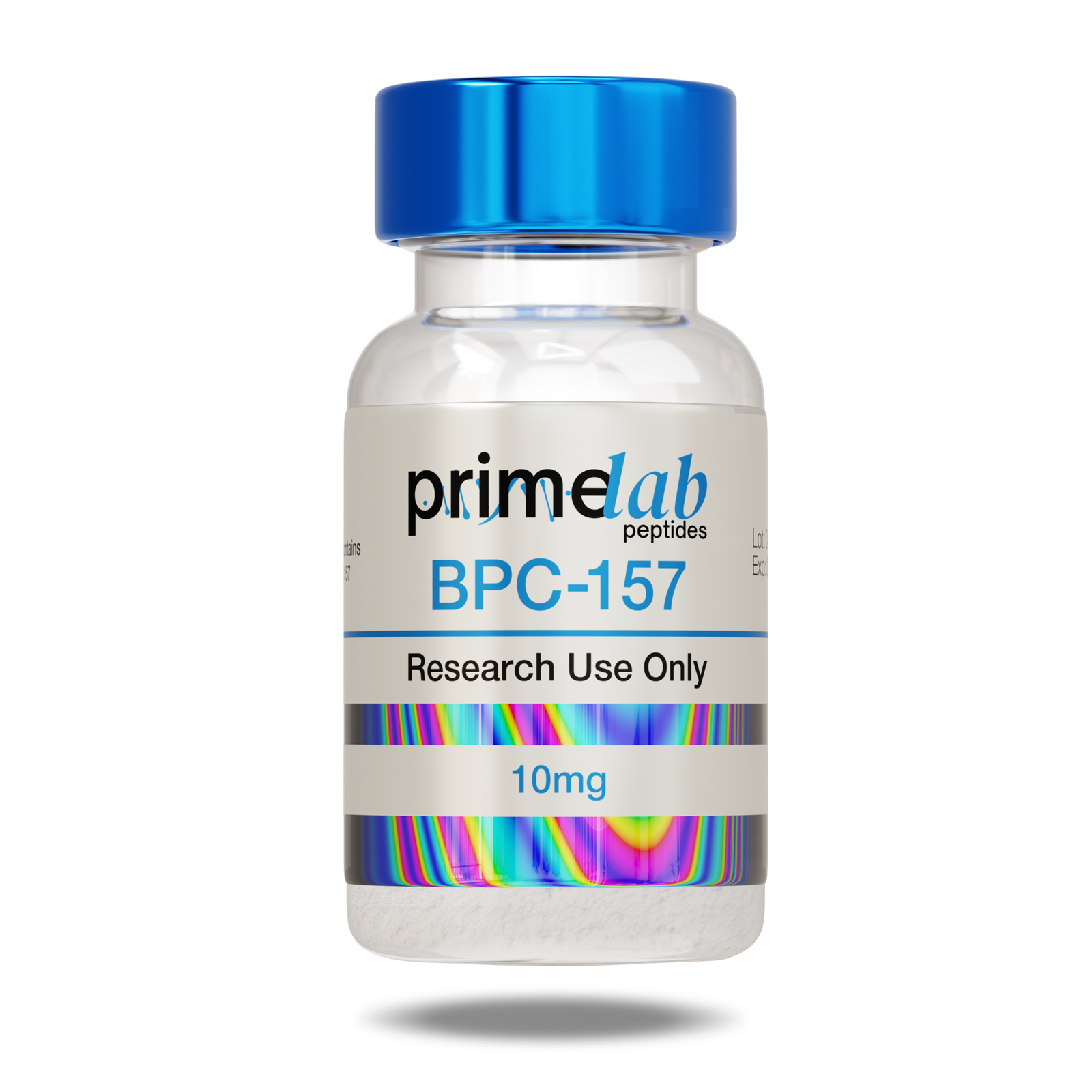
When people search “bpc 157 10 mg dosage,” they’re usually referring to a vial labeled as containing 10 mg total peptide. The confusion begins when the vial is reconstituted (mixed) into a solution and then administered in a specific volume (like 0.1 mL, 0.2 mL, etc.). The label “10 mg” alone does not tell you the delivered dose per injection until you know your reconstitution volume.
The key calculation: mg per mL → mg per dose
Here’s the calculation framework I use to prevent real-world mis-dosing:
- Step 1: Determine your total peptide mass in the vial (e.g., 10 mg).
- Step 2: Determine your reconstitution volume in mL (example: 1 mL, 2 mL, etc.).
- Step 3: Compute concentration: mg/mL = total mg ÷ mL.
- Step 4: Compute dose per administration: mg per dose = (mg/mL) × (mL per injection).
Example concentration math (illustrative)
If you reconstitute a 10 mg vial into 2 mL, your concentration is 5 mg/mL. If you then inject 0.1 mL, the delivered amount is 0.5 mg. Many protocol “discrepancies” online are really just different reconstitution volumes, not different peptide intentions.
Practical lesson from my audits: if you can’t explain your mg-per-mL step clearly, you don’t have a dosage protocol yet—you have a guess.
Building a sensible BPC-157 (10 mg vial) administration protocol structure
Different communities use different frequency patterns, but the decision logic is usually the same: start with a conservative approach, keep the plan consistent, and avoid changing multiple variables at once. In my experience reviewing real logs, the most interpretable outcomes come from stable dosing and clean tracking (symptom scale + functional measure + timeline).
Core structure: dose amount, frequency, and duration
When people ask for a “bpc 157 10 mg dosage protocol,” they often want a single set of numbers. Instead of pretending there’s one universal plan, I recommend structuring decisions like this:
- Dose amount: Choose a dose you can calculate precisely from your reconstitution volume.
- Frequency: Decide on a consistent daily schedule (rather than random “feel-based” timing).
- Duration: Plan a defined window and evaluate rather than extending indefinitely without a reason.
- Tracking: Measure something you can compare (pain score, range of motion, training volume, recovery time).
Why “consistency first” matters more than perfection
In wound-healing and soft-tissue contexts, outcomes are rarely immediate and rarely linear. What I’ve seen work best in real-world documentation is not chasing micro-adjustments every day—it’s keeping the administration consistent so you can actually interpret changes over time.
Protocol constraints to consider (the non-negotiables)
- Accurate measuring tools: Use consistent syringe/needle sizing and mark volumes you can repeat.
- Reconstitution and storage discipline: Follow the product instructions for mixing and temperature handling to reduce variability.
- Single-variable changes: If you adjust frequency or dose, do it intentionally and one step at a time.
- Clinical context: If you have underlying conditions or are on medications, involve a clinician—especially if you’re treating an ongoing injury.
Example dosing math you can use to plan your “10 mg vial” schedule safely
Because the delivered dose depends on how much you reconstitute into the vial, below is a dose-planning worksheet style approach. It’s the same process I use when someone brings me their “dosage protocol” and asks why it doesn’t match their mg intent.
Worksheet: convert vial strength to your injection dose
| Input | Your value | What it means |
|---|---|---|
| Total peptide in vial | 10 mg | Amount you start with |
| Reconstitution volume | How many mL you mix the vial into | |
| Concentration | 10 ÷ (your mL) mg/mL | mg delivered per 1 mL of solution |
| Injection volume per dose | How many mL you plan to inject each time | |
| Delivered dose per injection | (mg/mL) × (mL per dose) | This is the number you’re really controlling |
How to sanity-check your plan
- Does the remaining volume match your expected days? If you plan 20 doses, confirm the total injected volume fits the vial volume you have.
- Do the mg-per-dose numbers stay stable after the first few injections? They should—unless you change measurement technique.
- Are you changing dose and frequency at the same time? If yes, you won’t know what caused what.
What to track during a BPC-157 trial (so your results are interpretable)
From an “experience-backed” standpoint, the quality of the data matters as much as the dosage. In my hands-on reviews, people often stop tracking once they “feel something.” That’s exactly when you lose the timeline needed to evaluate whether the plan is helping.
Simple, actionable tracking metrics
- Pain scale: 0–10 rating at consistent times (e.g., morning and evening).
- Function test: One repeating movement you care about (stride length proxy, range of motion, grip strength, etc.).
- Training load: Track sets/reps/effort or total time so recovery changes aren’t mistaken for performance changes.
- Timeline notes: Sleep quality, swelling perception, and any adverse symptoms.
Limitations of “protocol chasing”
Even with a mathematically correct plan, results can vary due to injury type, baseline inflammation, nutrition, sleep, and rehabilitation quality. If you’re using only dosing changes without changing rehab consistency, you’ll often misattribute outcomes to the peptide rather than the overall recovery program.
FAQ
How do I determine my actual dose from a 10 mg vial?
Divide 10 mg by your reconstitution volume (mL) to get concentration (mg/mL). Then multiply that concentration by the mL you inject each time. The mg-per-injection is what you control—not the vial label alone.
What’s the biggest reason BPC-157 dosing protocols don’t match online?
Different reconstitution volumes and different injection volumes per dose. Two people can both say “10 mg vial dosage” while delivering very different mg amounts per injection.
How long should I run a trial to know if it’s helping?
Use a predefined evaluation window and track function and symptoms consistently. The right duration depends on the injury and your rehab plan; the key is setting a fixed period and comparing baseline to follow-up rather than extending indefinitely without measurable change.
Conclusion: turn “bpc 157 10 mg dosage” into a measurable, repeatable plan
A bpc 157 10 mg dosage protocol isn’t really about the “10 mg” number—it’s about translating that vial strength into mg per injection through accurate reconstitution math, then running a consistent schedule long enough to evaluate meaningful functional change.
Next step: write down your reconstitution volume and planned injection volume, calculate your mg per dose, and create a 2–4 week tracking sheet (pain + one function measure + training load) so you can make an informed decision based on evidence rather than guesswork.
Discussion