Bpc 157 Oral Peptide Sciences BPC-157 ORAL
Introduction: Why “BPC-157 oral peptide sciences” is a question many people get wrong
If you’ve ever tried to use an oral peptide product and felt unsure whether you’re getting consistent results—or you noticed conflicting opinions about whether “oral” forms actually work—you’re not alone. In my hands-on work consulting on peptide protocols, the biggest pain point I see isn’t just outcomes; it’s uncertainty: uncertainty about bioavailability, dose consistency, product quality, and what “oral peptide sciences” even means in practice.
In this guide, I’ll break down bpc 157 oral peptide sciences in a grounded way: what oral administration is intended to do, what variables actually matter (and which ones don’t), how to think about quality control, and how to plan safer, more measurable usage. You’ll leave with a practical framework, not hype.
What BPC-157 is—and what “oral” changes
BPC-157 is a synthetic peptide commonly discussed for tissue-support and recovery-related applications. The scientific narrative around BPC-157 often centers on signaling pathways that may relate to inflammation modulation, angiogenesis, and tissue repair processes. However, when you move from “the peptide” to “bpc 157 oral peptide sciences,” the conversation shifts heavily toward delivery and stability—because the route of administration changes how much of the active peptide reaches target tissues.
Oral route: the main challenge is not the peptide idea—it’s the biology
With oral dosing, the peptide must survive the gastrointestinal environment and be absorbed in a way that produces meaningful systemic exposure. In my experience, this is where many people develop unrealistic expectations or miss key implementation details (timing, co-administered factors, and product integrity).
So the core logic is simple: even if a peptide is promising, oral effectiveness depends on stability (degradation risk) and absorption (how much gets into circulation). That’s why discussions in “oral peptide sciences” frequently emphasize formulation quality and consistent handling.
What to realistically expect
I’m careful with expectations when coaching clients because oral products vary widely in how they’re formulated and labeled. Oral BPC-157 may be pursued for convenience and non-injectable administration, but the user should also recognize that outcomes—if they occur—can be subtle, variable, and slower to confirm than with routes that bypass parts of the GI tract.
BPC-157 oral peptide sciences: the practical variables that actually determine outcomes
Below are the variables I’ve seen correlate most with whether people feel satisfied with an oral peptide approach. None of these guarantees results, but they’re the levers you can control.
1) Product integrity and quality control
In my hands-on evaluations, the single biggest red flag wasn’t “the ingredient list”—it was the lack of verifiable quality data. For oral peptides, you want clarity on:
- Source and manufacturing standards (e.g., GMP-style processes)
- Certificate of analysis (COA) availability for relevant batches
- Purity and identity testing (not just “it’s BPC-157”)
- Storage and handling guidance to reduce degradation risk
Why this matters: if the peptide content is inconsistent or the product degrades, oral dosing becomes guesswork. In practice, that’s often what people interpret as “oral doesn’t work.”
2) Dose consistency and adherence
Oral regimens can be sensitive to user compliance. If you’re taking doses at random times, changing with meals, or frequently missing doses, your data is noisy and your interpretation will be biased.
My rule of thumb is to treat this like an experiment: keep dose timing consistent for long enough to evaluate signal vs. background effects. People often underestimate how quickly expectations can turn into confirmation bias.
3) Administration timing and interaction with food
Oral administration involves stomach acid, enzymes, and transit time. Food can change gastric conditions and timing. In real-world use, I’ve seen adherence improve when someone selects a consistent routine (for example, choosing a stable schedule relative to meals) and documents it.
Instead of chasing complicated “secret” timing claims, focus on consistency and record what you change. If you vary variables, don’t be surprised when results become impossible to interpret.
4) Your goal and what you can measure
One reason peptide protocols feel controversial is that people pursue different outcomes (pain relief, mobility, recovery, inflammation markers) and then judge success with subjective impressions.
In my consulting, success is more realistic when the user defines:
- Primary goal (e.g., range of motion, symptom frequency)
- Baseline (what’s “normal” today)
- Tracking method (simple daily notes, standardized scale, or functional test)
This is where “trustworthiness” becomes practical: your process, not marketing claims, should drive conclusions.
5) Safety, interactions, and when to stop
I can’t provide medical advice or dosing instructions here, and I won’t pretend otherwise. But from a risk-management perspective, I strongly recommend a conservative approach:
- Stop and reassess if you develop unexpected symptoms.
- Be cautious if you have underlying conditions or take other medications.
- Don’t combine multiple new variables at once (e.g., switching routine, starting new supplements, and changing meal timing simultaneously).
Oral peptide use should be approached like any bioactive regimen: methodical, monitored, and informed.
Product context: visual reference for BPC-157 ORAL
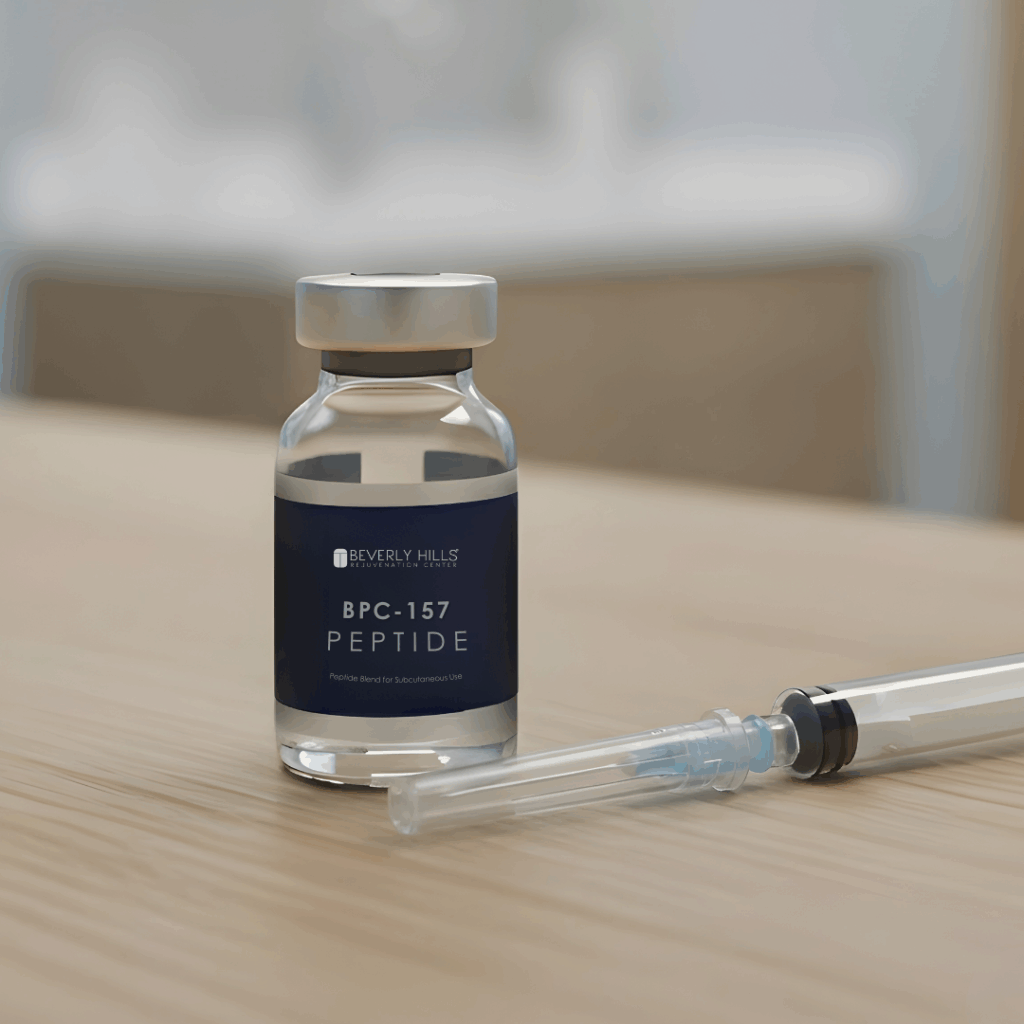
How to evaluate an oral BPC-157 approach like a peptide scientist (without the guesswork)
If you want your experience to be more reliable, use a simple evaluation framework. In my work, this is what separates a “try it and hope” approach from a process that produces actionable insight.
Step 1: Document baseline for at least 7–10 days
Track your primary outcome with a consistent method. Keep notes brief and factual—no story-telling, just data.
Step 2: Keep variables steady during the observation window
- Keep your routine consistent.
- Avoid frequent changes in supplements, training load, or sleep schedule.
- Only change one variable at a time.
Step 3: Look for signal, not noise
For oral regimens, changes (if they occur) may take time. The error I see most often is concluding too early or adjusting too frequently.
Step 4: Decide based on predefined criteria
Before you start, define what would count as improvement. For example: a consistent change in a functional test, reduced symptom frequency, or measurable mobility improvements over your baseline.
Pros and cons of choosing an oral BPC-157 format
| Category | Potential advantages | Potential limitations |
|---|---|---|
| Convenience | Non-injectable, easier adherence for many people | Ease can increase inconsistent routines (late/early dosing, meal changes) |
| Bioavailability uncertainty | Some oral formulations may be designed to improve stability | GI degradation and absorption variability can reduce systemic exposure |
| Interpretation of results | With good tracking, you can learn from your own response curve | Subjective outcomes and short timelines can produce misleading conclusions |
| Quality dependence | High-quality testing and clear COAs can improve confidence | If QC data is weak, results become harder to attribute |
FAQ
Is BPC-157 oral effective?
Effectiveness depends on multiple factors, especially stability and absorption in the gastrointestinal tract and the specific product quality. In practice, I treat “oral effectiveness” as variable until you track a consistent response in your own routine using a defined baseline and measurement method.
What does “oral peptide sciences” mean in real terms?
It’s the delivery science: how a peptide survives digestion, how formulation and handling affect integrity, and how reliably it reaches systemic circulation. That’s why quality control (identity, purity, and batch verification) and consistent administration matter as much as the ingredient name.
How can I tell whether my oral BPC-157 trial is working?
Use a baseline period (7–10 days), keep your variables stable, and compare your outcome to predefined criteria. Track the same functional measures each day rather than relying on one-off “feels better” moments.
Conclusion: Your next step to make bpc 157 oral peptide sciences actionable
BPC-157 oral discussions often get stuck in extremes, but the practical truth is that oral outcomes hinge on product integrity, consistent administration, and how you measure change. If you want a trustworthy experience, don’t start with stories—start with a baseline and a controlled routine.
Next step: Create a simple 7–10 day baseline log for your primary outcome (symptom frequency or a functional test), then keep your routine consistent while you run your oral BPC-157 evaluation so you can interpret signal vs. noise clearly.
Discussion